 Guida Viaggi Guida alle attrazioni turistiche dei paesi del mondo
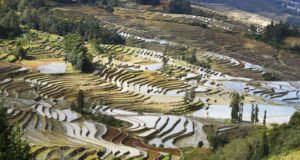
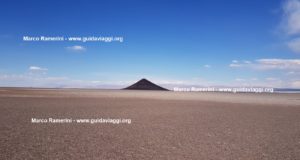
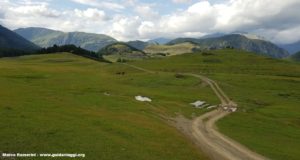
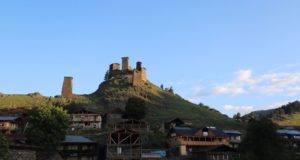
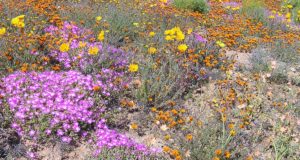


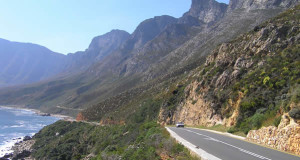
LA STRADA DELLE BALENE Partendo da Città del Capo un breve itinerario di circa 120 km (2 ore) verso est, ...
Leggi Articolo »Ultimi articoli
Quando e dove andare
Sudafrica


Anguilla
Iran
-

Il museo dei Tappeti dell’Iran a Teheran
L’arte della tessitura dei tappeti è senza dubbio una delle opere più conosciute dell’artigianato e dell’arte iraniana. Questo tipo di ...
Leggi Articolo » -

Pasargade: la prima capitale dell’impero Persiano
-

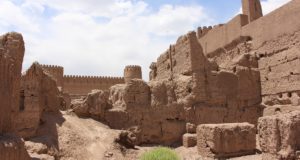
Rayen: una cittadina fortificata alle porte del deserto
-

La Moschea del Venerdì di Isfahan (Moschea Jāmeh)
-

La piazza di Isfahan: la piazza Naqsh-e jahàn
Isola di Pasqua
Antartide
-
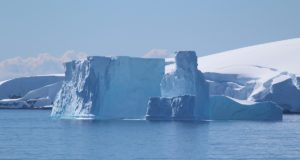
Il clima dell’Antartide: quando andare in Antartide
L’Antartide è conosciuto come il continente di ghiaccio. Il clima dell’Antartide è il più inospitale del pianeta Terra. In questo ...
Leggi Articolo » -

Crociera in Antartide: Viaggiare con i bambini
-

Andare in Antartide: il turismo oggi in Antartide
-

Il clima della Penisola Antartica: quando andare in Antartide
Pakistan
-
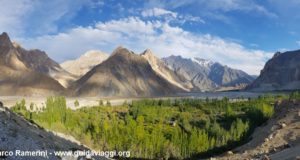
Viaggio tra le montagne dell’Asia Centrale
Attraversando Kyrghizistan, Cina e Pakistan Un itinerario spettacolare, un viaggio tra le montagne dell’Asia centrale, che dal Kyrghizistan attraverso la ...
Leggi Articolo »
Italia
-
Mercatini di Natale: una tradizione antichissima
Il Natale si avvicina a grandi passi e con esso anche le tradizionali attività e manifestazioni che lo accompagnano. Le ...
Leggi Articolo » -

Il clima di Firenze: quando andare a Firenze
-

Il clima di Milano: quando andare a Milano
-

Il clima dell’Italia: quando andare in Italia
-

La Fontana di Trevi: la più celebre fontana di Roma
Figi
Viaggio con i bambini
-
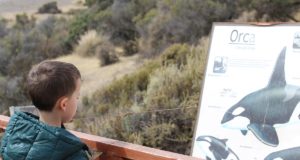
Le escursioni in crociera: In crociera con i bambini
Se effettuate una crociera con i vostri bambini una delle cose più belle e interessanti che farete saranno le escursioni. ...
Leggi Articolo » -

Medicine da portare in viaggio con i bambini
-
Gli stadi di Londra: Londra con i bambini
-

I parchi di Londra: Londra con i bambini
-

In crociera con i bambini: il mal di mare
-

Viaggiare in aereo con i bambini. Tutte le dritte
-
I musei di Londra: Londra con i bambini
Il pianeta terra è l'unico pianeta di tutto l'universo che conosciamo dove si è sviluppata la vita. Dedichiamo la nostra passione alla vita presente sulla Terra in tutte le sue forme. Il terzo pianeta in ordine di distanza dal Sole è lo scrigno della vita del Sistema Solare, ed ad oggi, per quanto ne sappiamo, l'unico in tutto l'universo dove esistono forme di vita.
Tramite quello che scriviamo ci piacerebbe aiutarvi a viaggiare meglio e ad ammirare le bellezze che ci circondano. Spesso rimaniamo estasiati da scenari naturali spettacolari come il Grand Canyon o le Cascate di Iguazù, queste sono cose uniche, come lo è ogni essere vivente presente su questo pianeta. Impegniamoci ad essere più sensibili nei confronti di tutto quello che ci circonda e cerchiamo di fare il possibile per permettere anche alle generazioni future di poter ammirare le bellezze del nostro pianeta.
Quando viaggiate per il mondo, o anche quando fate una semplice passeggiata vicino a casa vostra fermatevi ad osservare la bellezza di ciò che vi circonda. Questa è l'essenza della vita. E ricordatevi che questo è l'unico luogo che conosciamo in tutto l'universo dove esiste la vita: trattatelo bene!
L'umanità è divisa da barriere culturali, linguistiche, razziali, religiose e politiche, ma ricordiamoci che la Terra è un bene di tutti, è la nostra unica casa. Diamo tutti un aiuto per conservarla il meglio possibile. Anche un piccolo gesto nella nostra vita quotidiana può essere utile.
Questo sito è una guida di viaggio con dettagliate informazioni su ogni nazione del mondo, specialmente per quanto riguarda il clima, i luoghi da visitare e le principali attrazioni. Ma ci sono anche informazioni su come arrivare, come spostarsi e dove dormire con la possibilità di prenotare gli hotels e noleggiare le auto in ogni nazione del mondo.
Georgia
-
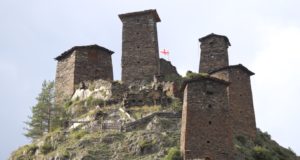
Viaggio in Georgia: Nel cuore del Grande Caucaso
I Viaggi di Maurizio Levi Tra i Tour Operator più interessanti per l’offerta di itinerari molto ben strutturati e unici ...
Leggi Articolo » -

Tusheti, Georgia: case torri, montagne, gole e colline erbose
-

La Cattedrale di Alaverdi: centro spirituale della Georgia
-

Sighnaghi e il Convento di Bodbe in Georgia
-

Davit Gareja: un grande complesso monastico della Georgia
-

I villaggi del Tusheti in Georgia: Omalo, Dartlo e Shenako
Nuova Zelanda
-
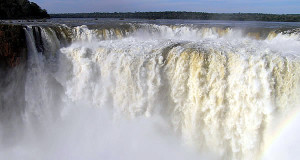
Le cascate più spettacolari del mondo
Le cascate sono tra i più entusiasmanti spettacoli della natura. Quasi ogni nazione della Terra ha delle cascate. Si trovano ...
Leggi Articolo »
Bolivia
-

Gli altopiani della Bolivia: paesaggi di un altro pianeta
Una terra spettacolare, un deserto d’alta quota con maestosi vulcani innevati. Ma anche lagune colorate, rocce levigate dagli agenti atmosferici, ...
Leggi Articolo » -
Il clima di Santa Cruz de la Sierra: quando andare
-
Il clima di La Paz: quando andare a La Paz
Cile
-
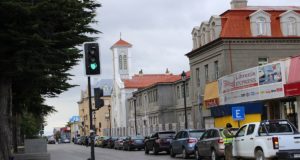
Il clima di Punta Arenas: quando andare a Punta Arenas
La città di Punta Arenas ha un clima di semi arido di tipo oceanico sub polare che è fortemente influenzato ...
Leggi Articolo » -
Viña del Mar: la più famosa località balneare del Cile
-

Castro: palafitte e chiese di legno nell’isola di Chiloe
-

Recensione: Viaggio fotografico in Patagonia cilena e argentina in autunno – GVF
-

Punta Arenas: la capitale della Patagonia Australe
-
Crociera in Antartide: Viaggiare con i bambini
-

La Puna: un altopiano tra Argentina e Cile